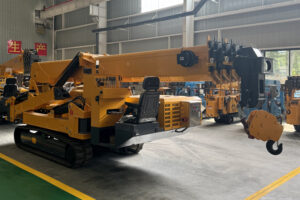
Many buyers feel confused when they first hear about spider cranes. They are not sure what these machines can really do or where they should be used.
A spider crane is mainly used for lifting heavy materials in narrow or hard-to-reach spaces. It is ideal for indoor work, glass installation, steel structure projects, and sites with limited access.
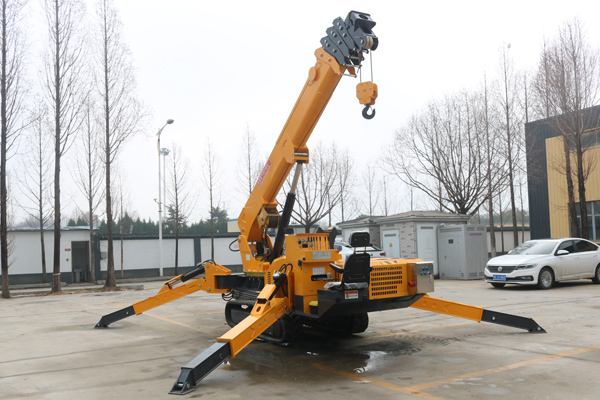
From my experience working with international clients, this question comes up very often. Many people think spider cranes are only small machines. But in reality, they solve very specific problems that traditional cranes cannot handle. In this article, I will explain their real use, based on real project needs.
How high can a spider crane reach?
Many buyers worry that spider cranes cannot lift high enough for real projects. They often compare them with large mobile cranes.
A spider crane can typically reach heights from 5 meters up to over 20 meters, depending on the model. Larger models can handle high-rise indoor and outdoor lifting tasks.
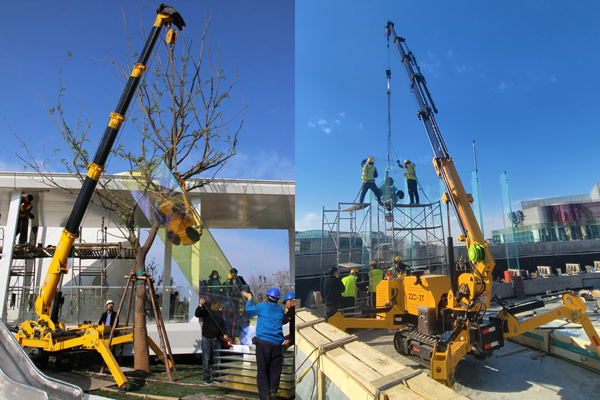
When I talk with clients, lifting height is always one of the first questions. The truth is, spider cranes are not designed to replace tower cranes. They are designed to work where other machines cannot enter.
Understanding lifting height by model
| Model Type | Max Height | Typical Use |
|---|---|---|
| 1 Ton | 5–6 m | Indoor work |
| 3 Ton | 8–10 m | Glass installation |
| 5 Ton | 12–16 m | Construction |
| 8–12 Ton | 16–25 m | Heavy lifting |
In one project I worked on, a client needed indoor lifting at height. A traditional crane could not enter. A spider crane solved the problem easily.
How much does a spider crane weigh?
Weight is another concern. Buyers often think heavier machines are harder to transport and use.
Spider cranes usually weigh between 1 ton and 12 tons. Smaller models are lightweight and easy to move, while larger models offer stronger lifting capacity.
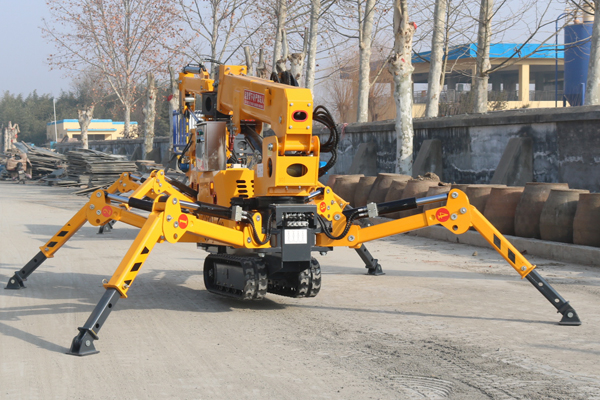
From my experience, weight matters most when transportation and floor load limits are involved.
Why weight matters in real projects
| Crane Type | Weight Range | Advantage |
|---|---|---|
| Mini | 1–2 tons | Easy indoor use |
| Medium | 3–5 tons | Balanced |
| Heavy | 8–12 tons | Strong lifting |
In one case, a client needed rooftop work. A heavy crane was not allowed. A lighter spider crane was the right solution.
Can you pick and carry with a spider crane?
Many buyers ask this question because they are used to forklifts or mobile cranes.
Spider cranes are not designed for pick-and-carry operations. They must stay stable with outriggers during lifting.
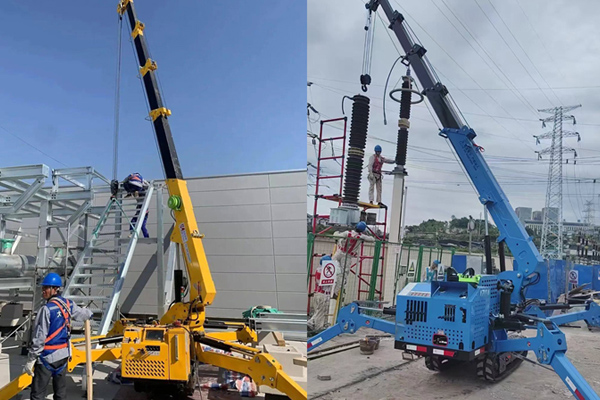
This is a key point I always explain to clients.
Why spider cranes do not pick and carry
| Machine | Pick & Carry | Stability |
|---|---|---|
| Spider Crane | No | High |
| Mobile Crane | Limited | Medium |
| Forklift | Yes | Lower |
In real projects, spider cranes lift materials, then workers move them separately. This ensures safety.
Can a spider crane fit through a doorway?
This is one of the most important advantages of spider cranes.
Yes, many spider cranes can pass through narrow doors, some as small as 600–800 mm wide.
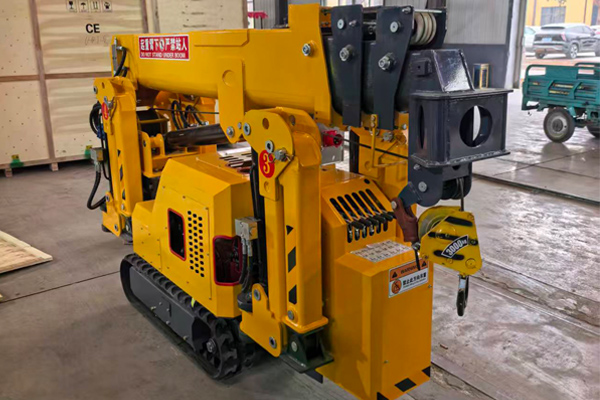
This is why spider cranes are widely used indoors.
Why compact design matters
| Feature | Benefit |
|---|---|
| Compact body | Fits doorways |
| Foldable design | Easy transport |
| Rubber tracks | Protect floors |
I worked with a client on a hospital project. The crane had to enter through a narrow door. A spider crane was the only option.
Conclusion
Spider cranes are ideal for narrow spaces, indoor lifting, and complex environments where traditional cranes cannot work.